

The excretory system is responsible for removing metabolic wastes and maintaining the balance of water, salts, and other substances in the body. The kidneys play a central role in this process. Any malfunction in the excretory system can lead to serious health problems known as excretory disorders. Some of the major disorders of the excretory system include uremia, renal failure, renal calculi (kidney stones), glomerulonephritis, and oedema.
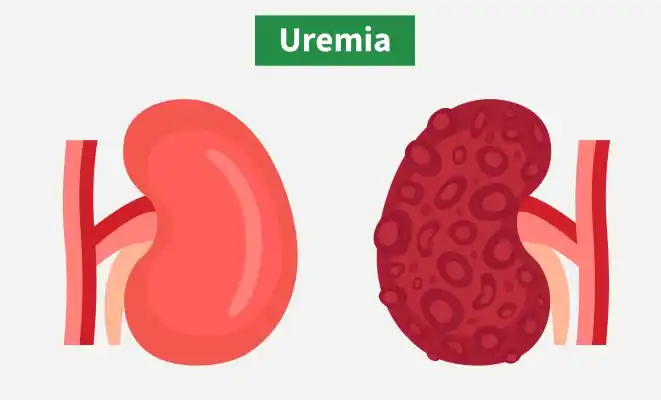
Uremia
- Uremia is a serious medical condition that occurs when excessive amounts of urea and other nitrogenous waste products accumulate in the blood due to improper functioning of the kidneys.
- Normally, the kidneys filter waste substances from the blood and remove them through urine. Still, when the kidneys become damaged or fail to function efficiently, these waste products begin to build up in the body.
- Uremia is commonly associated with advanced kidney failure or chronic kidney disease and can affect the normal functioning of many organs and systems of the body.
Renal Failure
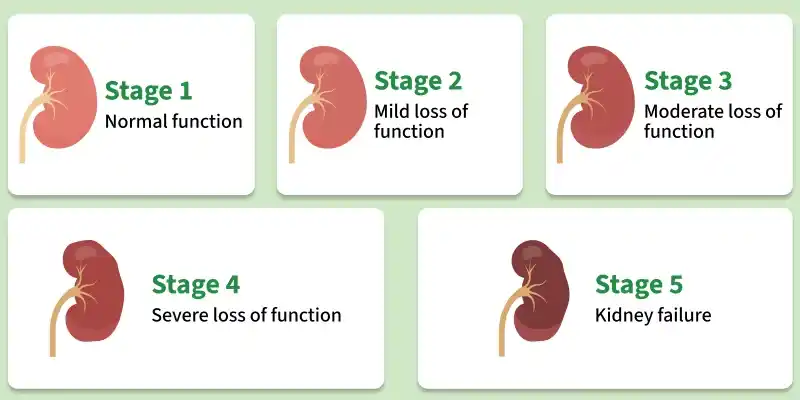
- Renal failure, also known as kidney failure, is a medical condition in which the kidneys lose their ability to perform their normal functions efficiently.
- The kidneys are vital excretory organs that filter waste products, excess salts, and extra water from the blood to form urine.
- They also help maintain the balance of electrolytes, regulate blood pressure, control acid-base balance, and produce hormones involved in red blood cell formation.
- When the kidneys fail to function properly, harmful waste products accumulate in the body, leading to serious health complications.
Renal Calculi (Kidney Stones)
- Renal calculi, commonly known as kidney stones, are hard, solid masses formed in the kidneys due to the accumulation and crystallisation of mineral salts and other substances present in urine.
- These stones may vary in size from tiny crystals to large stone-like structures and can occur in any part of the urinary system, including the kidneys, ureters, urinary bladder, or urethra.
- Kidney stones develop when the concentration of certain substances in the urine becomes excessively high, causing them to precipitate and form crystals. Over time, these crystals combine and enlarge to form stones.

Glomerulonephritis (Bright’s Disease)
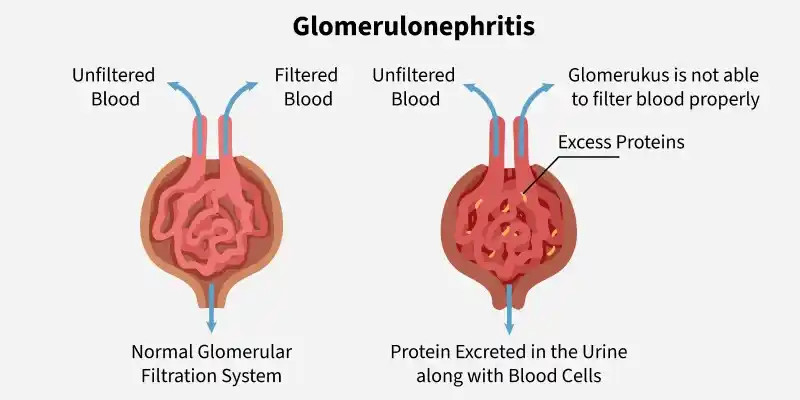
- Glomerulonephritis is a disease in which the glomeruli of the kidneys become inflamed and damaged.
- The glomeruli are tiny microscopic filtering units present inside the kidneys that help remove waste products, excess water, and harmful substances from the blood to form urine.
- When these filtering structures become inflamed, the kidneys are unable to function properly, leading to the accumulation of waste materials and disturbances in fluid and electrolyte balance.
- Glomerulonephritis may occur suddenly or develop gradually over a long period of time and can severely affect kidney function if left untreated.
Oedema
- Oedema is a medical condition characterised by the abnormal accumulation of excess fluid in the intercellular spaces or tissues of the body.
- This fluid accumulation causes swelling in the affected parts of the body and may occur in localised regions or throughout the body.
- Oedema commonly affects the feet, ankles, legs, hands, face, and lungs, depending on the underlying cause.
- It is not a disease itself but usually a symptom of various disorders related to the circulatory system, kidneys, liver, lymphatic system, or other body organs.

Treatment of Excretory Diseases
The treatment of excretory diseases depends upon the type, cause, and severity of the disorder affecting the kidneys or other parts of the urinary system.
1. Kidney Transplant
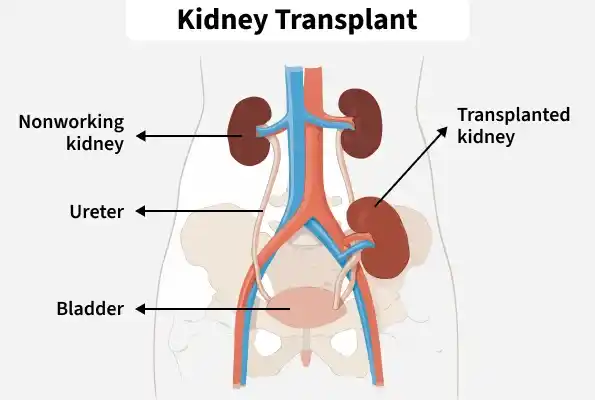
- Kidney transplant is a surgical procedure in which a healthy kidney from a donor is transplanted into the body of a person whose kidneys have lost their normal functioning capacity.
- It is considered one of the most effective treatments for patients suffering from end-stage renal disease or severe chronic kidney failure.
- In this condition, the damaged kidneys are unable to remove waste products, excess water, and toxic substances from the blood, making survival difficult without medical treatment such as dialysis or transplantation.
2. Dialysis (Treatment)
- Dialysis is a medical treatment used to remove waste products, excess salts, and extra water from the blood when the kidneys are unable to perform their normal functions properly.
- It is an artificial method of purification of blood used in patients suffering from severe kidney failure or renal dysfunction. Normally, healthy kidneys filter harmful metabolic wastes such as urea, creatinine, and excess ions from the blood and maintain fluid and electrolyte balance in the body.
- When the kidneys fail due to disease or injury, these toxic substances accumulate in the bloodstream and may become life-threatening.
- Dialysis helps maintain the internal environment of the body by artificially carrying out the filtration process of the kidneys.