

Excretion is the biological process by which metabolic waste products and toxic substances are removed from the body. Although the kidneys are the primary excretory organs in humans, several other organs also participate in the elimination of waste materials and help maintain the internal balance of the body. These organs are known as accessory excretory organs because they assist the kidneys in removing various metabolic wastes.
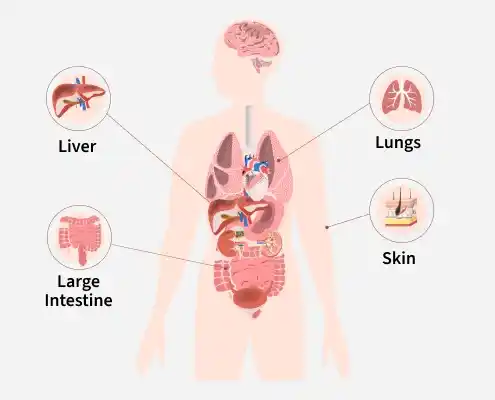
The major accessory excretory organs include the lungs, skin, liver, and intestine. Each of these organs contributes to excretion in a specific manner and plays an important role in maintaining homeostasis.
1. Lungs
- The lungs are primarily responsible for gaseous exchange, but they also function as important excretory organs.
- During cellular respiration, carbon dioxide is produced as a waste product and is transported through the blood to the lungs.
- The lungs remove this carbon dioxide from the body during exhalation. In addition to carbon dioxide, a small amount of water vapour is also expelled through the lungs during breathing.
- Therefore, the lungs help maintain the acid-base balance of the body by regulating the concentration of carbon dioxide in the blood and contribute significantly to the excretory process.

Excretory Products Removed by the Lungs
- Carbon dioxide (CO₂)
- Water vapour
2. Skin
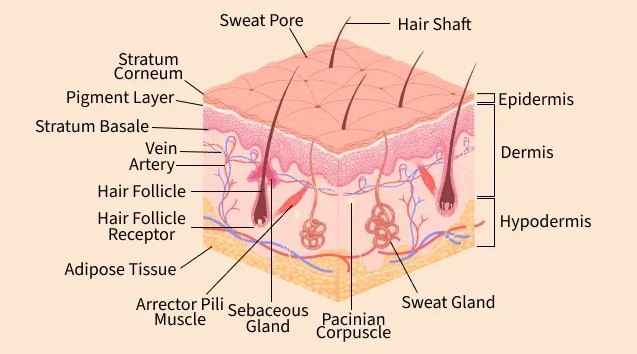
- The skin acts as an accessory excretory organ through the sweat glands present in the dermis.
- Sweat glands produce sweat, which is released onto the surface of the skin through tiny pores.
- Sweat contains water, sodium chloride, small quantities of urea, uric acid, ammonia, and lactic acid.
- Although the amount of nitrogenous waste removed through sweat is relatively small compared to the kidneys, the skin contributes to excretion and helps regulate body temperature.
- The evaporation of sweat from the skin surface cools the body and prevents overheating during physical activity and exposure to high environmental temperatures.
Excretory Products Removed by the Skin
- Water
- Salts (mainly sodium chloride)
- Small amounts of urea
- Uric acid
- Ammonia
- Lactic acid
3. Liver
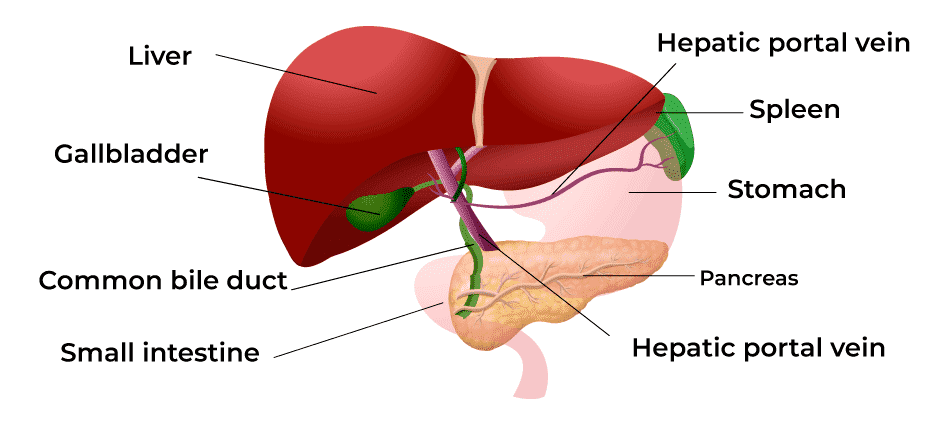
- The liver is one of the most important metabolic organs of the body and performs several excretory functions.
- It removes toxic substances from the blood and converts harmful compounds into less toxic forms that can be eliminated from the body.
- The liver converts ammonia, which is highly toxic, into urea through the urea cycle. The urea formed is then transported to the kidneys for excretion.
- The liver also excretes bile pigments such as bilirubin and biliverdin, which are produced during the breakdown of worn-out red blood cells.
- These pigments are secreted into bile and eventually eliminated through the digestive tract. In addition, the liver helps remove excess cholesterol, certain drugs, hormones, and toxins from the body.
Excretory Products Removed by the Liver
- Bile pigments (bilirubin and biliverdin)
- Cholesterol
- Certain drugs and toxins
- Hormonal breakdown products
4. Intestine
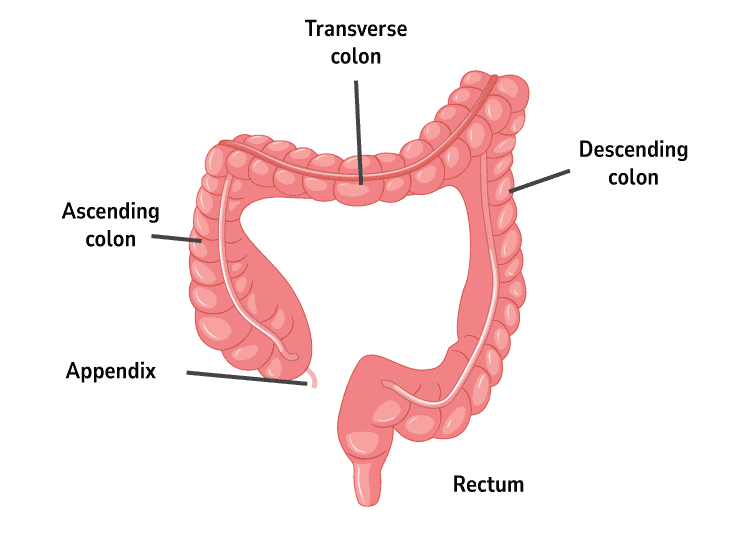
- The intestine also participates in excretion by eliminating certain waste products through faeces.
- Bile pigments secreted by the liver enter the intestine through bile and are ultimately removed from the body with faecal matter.
- The intestine also helps eliminate excess salts, cholesterol, heavy metals, and some undigested substances.
- Although its primary function is digestion and absorption, it contributes to the removal of waste materials from the body.
Excretory Products Removed by the Intestine
- Bile pigments
- Cholesterol
- Heavy metals
- Certain salts and waste substances
Importance of Accessory Excretory Organs
The accessory excretory organs support the kidneys and help maintain the body's internal environment. Their functions include:
- Removal of metabolic waste products.
- Elimination of toxic substances.
- Maintenance of water and electrolyte balance.
- Regulation of body temperature.
- Maintenance of acid-base balance.
- Detoxification of harmful compounds.
- Support of overall homeostasis.