

Customer retention is a critical factor in determining long-term business success and sustainable growth. Metrics that track how many customers stay versus those who leave provide valuable insights into user satisfaction and loyalty. Understanding the difference between churn and retention helps businesses identify gaps, improve strategies, and strengthen customer relationships.
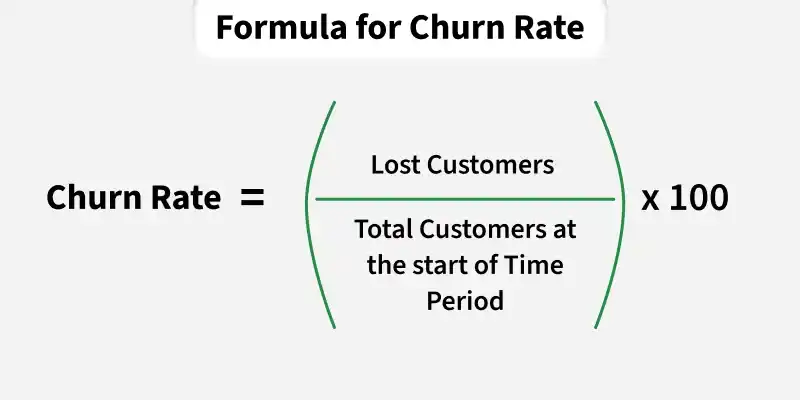
Churn Rate
In product management, churn rate measures the percentage of customers who stop using a product or service over a specific period, indicating customer loss. It reflects dissatisfaction, lack of engagement, or unmet expectations. A higher churn rate signals potential issues and can negatively impact growth and revenue. The Key Characteristics of Churn Rate are:
- Indicator of Customer Loss: A higher churn rate reflects increased customer drop-off and potential dissatisfaction.
- Time-Based Metric: Measured over a specific period such as monthly, quarterly, or yearly.
- Impacts Revenue Growth: High churn directly affects revenue, growth, and business sustainability.
- Inverse to Retention: Higher churn rate generally corresponds to a lower retention rate.
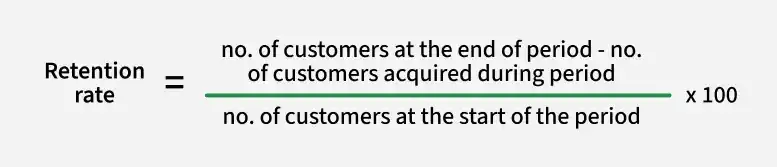
Retention Rate
In product management, retention rate measures the percentage of customers a business retains over a specific period, indicating its ability to maintain long-term customer relationships. It reflects customer satisfaction, engagement, and the overall value delivered by a product or service. A higher retention rate signifies strong customer loyalty and sustainable growth. The Key Characteristics of Retention Rate are:
- Indicator of Loyalty: A high retention rate reflects strong customer trust and long-term engagement.
- Time-Based Metric: Measured over a specific period, such as monthly, quarterly, or yearly.
- Drives Stable Growth: Supports predictable revenue and long-term business sustainability.
- Inverse to Churn: Higher retention rate generally corresponds to a lower churn rate.
Churn rate vs Retention rate
| Churn Rate | Retention Rate |
|---|---|
| Measures the percentage of customers who stop using a product or service over a specific period. | Measures the percentage of customers who continue using a product or service over a specific period. |
| Calculated as: Customers lost during the period ÷ Customers at the start × 100 | Calculated as: (Customers at end − New customers acquired) ÷ Customers at the start × 100 |
| Focuses on customer loss and drop-off trends. | Focuses on customer retention and long-term engagement. |
| A higher churn rate indicates dissatisfaction and potential product or service issues. | A higher retention rate indicates strong customer loyalty and product value. |
| Negatively impacts revenue, growth, and business sustainability if high. | Supports stable revenue, growth, and long-term business success. |