

Metasploit is an important open-source penetration testing framework used by ethical hackers, cybersecurity professionals and security researchers to identify, test and exploit vulnerabilities in systems, networks and applications. Developed in Ruby, it provides a modular platform that allows users to create, customize and execute exploits, payloads, scanners and post-exploitation tools efficiently.
Editions of Metasploit
Metasploit is available in three different editions: This article focuses on the Metasploit Framework edition.
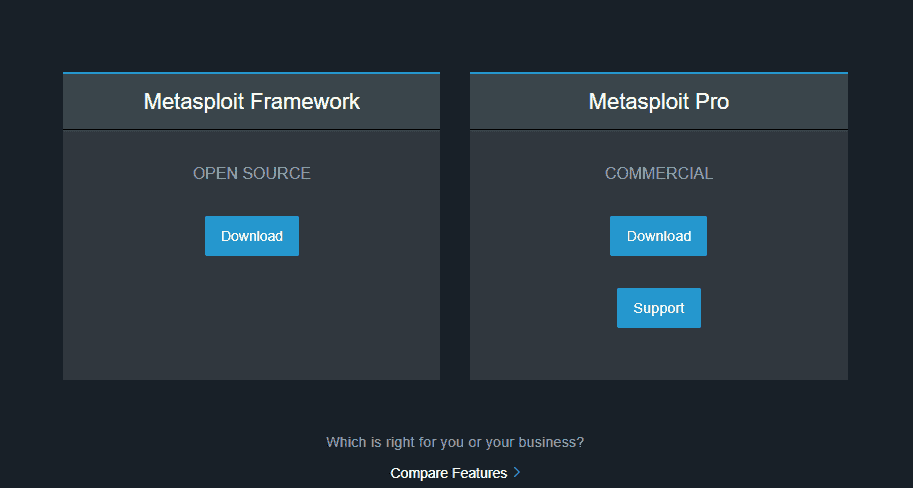
- Metasploit Pro: A commercial edition designed for enterprises and professional penetration testers. It includes advanced automation, reporting, phishing simulation and collaboration features.
- Metasploit Community: A limited free edition that provides a graphical interface and basic penetration testing capabilities.
- Metasploit Framework: The free and open-source command-line edition most commonly used by ethical hackers and learners. It provides full access to exploits, payloads, modules and customization features.
Core Components of Metasploit
Metasploit is built around several modular components that work together during security testing.
1. Auxiliary Modules
Auxiliary modules are used for tasks that do not require payload execution. These modules help in scanning, enumeration, fuzzing, sniffing and information gathering.
- Auxiliary modules perform reconnaissance and security assessment tasks such as host discovery, port scanning, service fingerprinting and protocol enumeration without executing exploits.
- They are commonly used for vulnerability detection, SMB and FTP enumeration, authentication testing and validating the security posture of target systems.
2. Payloads
A payload is the code executed on the target system after a successful exploit. While the exploit gains access, the payload determines what action is performed afterward. Types of Payloads:
- Singles: Self-contained payloads that perform one task only.
- Stagers: Small payloads used to establish a connection between attacker and target.
- Stages: Additional components downloaded after the initial connection is established.
3. Exploits
Exploits are pieces of code that target specific vulnerabilities in software, operating systems or services. The main goal of an exploit is to:
- To execute arbitrary code or gain unauthorized access.
- They validate security weaknesses by triggering specific vulnerabilities and are typically paired with payloads to demonstrate the impact in authorized environments.
4. Encoders
Encoders modify payloads to help avoid detection from antivirus software and security filters. They work by transforming payloads using encoding algorithms while preserving functionality.
- Encoders transform payloads by modifying their binary structure to evade signature-based detection and avoid bad characters during exploitation.
- They help bypass basic antivirus detection, obfuscate payload signatures and improve payload delivery reliability without changing the payload's functionality.
5. Post-Exploitation Modules
Post-exploitation modules are used after gaining access to a target system. These modules help penetration testers assess the impact of a successful compromise.
- Post-exploitation modules perform activities such as privilege escalation, credential extraction, session persistence and system information gathering after successful exploitation.
- They support tasks including keystroke capture, cookie and credential theft, custom PowerShell script execution and further compromise assessment in authorized environments.
6. Evasion Modules
Evasion modules help generate payloads designed to avoid detection by security software such as antivirus solutions and Windows Defender. Using encrypted communication methods such as HTTPS can also reduce detection risks during controlled testing environments.
- Evasion modules modify payload behavior using shellcode encryption, code obfuscation and payload transformation to reduce detection by security solutions.
- They implement anti-analysis techniques such as anti-emulation and sandbox evasion to improve payload execution against defensive mechanism
Installing Metasploit Framework on Ubuntu
Although Metasploit comes pre-installed in penetration testing distributions like:
- Kali Linux.
- Parrot Security OS.
- it can also be installed manually on Ubuntu, Windows or macOS.
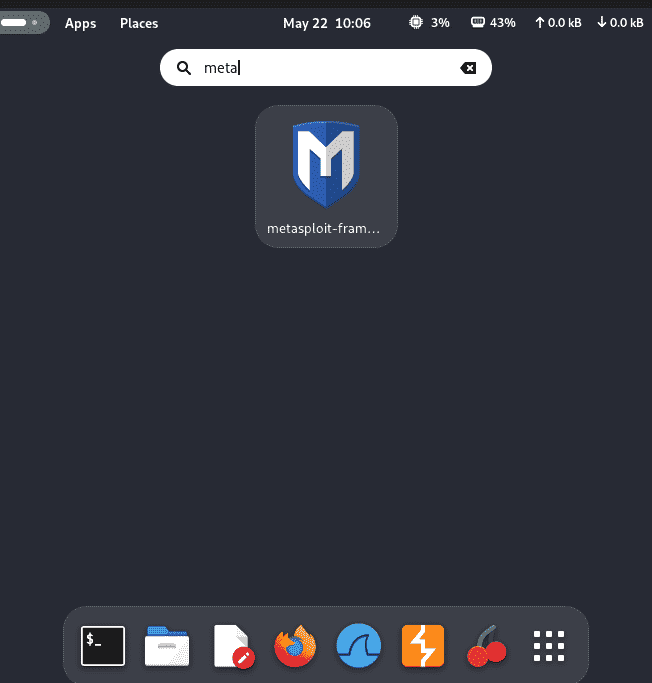
Step 1: Gain Root Privileges
Command:
sudo suOutput:
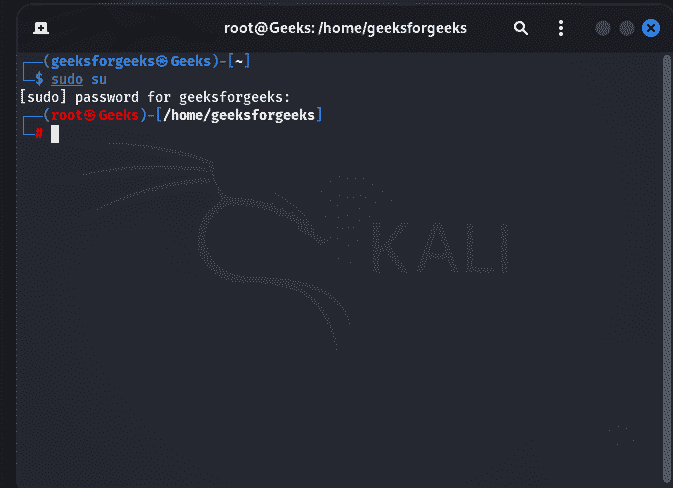
Step 2: Updating and Upgrading the system
We use the apt-get update command to resynchronize the package index files from their sources on Linux via the Internet.
apt-get update && apt-get upgradeOutput:
Step 3: Installing Required Dependencies
We need to install a lot of dependencies that are required to run Metasploit. Below is the command that we're going to be running to install the dependencies :
apt install -y ruby ruby-dev build-essential zlib1g zlib1g-dev libpq-dev libpcap-dev libsqlite3-devOutput:
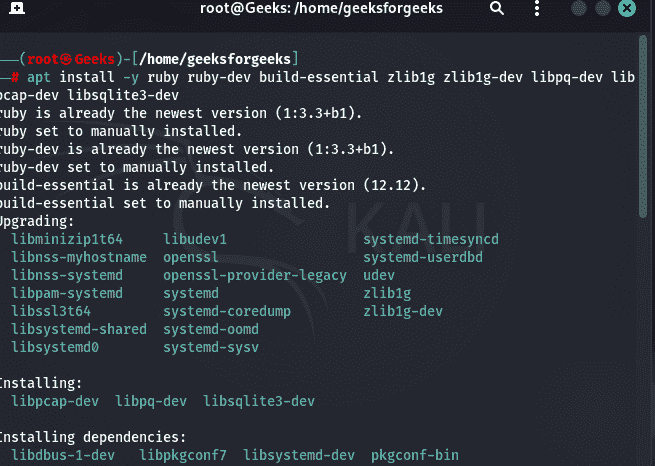
Step 4: Cloning the Metasploit repository
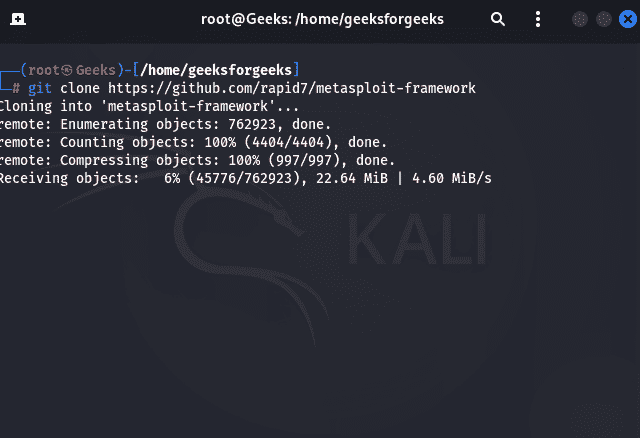
We need to clone the Metasploit GitHub repository. Run the below the command:
git clone https://github.com/rapid7/metasploit-frameworkOutput:
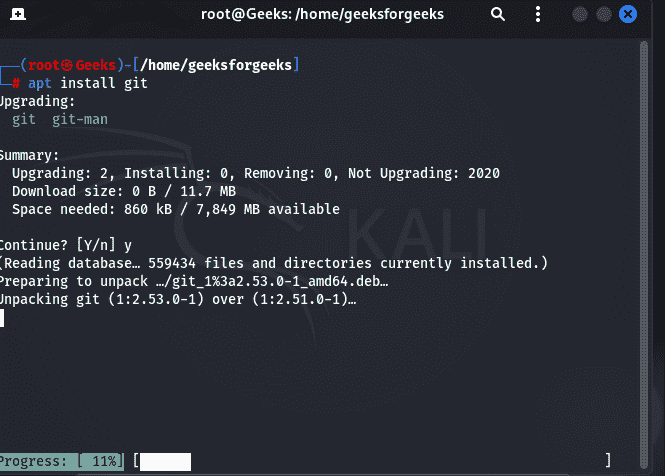
If Git is not installed run the Command:
apt install gitOutput:
Step 5: Install Bundler
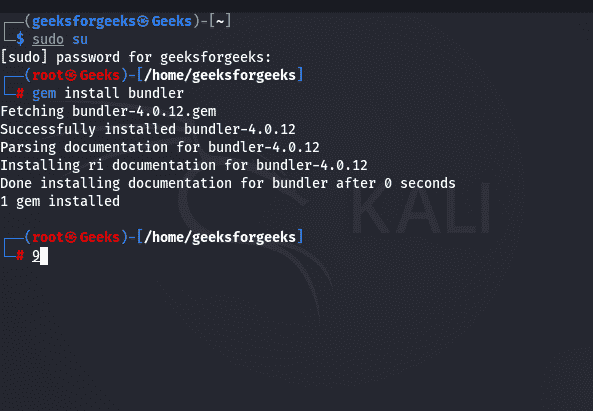
After we finish cloning the Metasploit GitHub repository into our home directory the next thing we need to do is install Ruby's bundler package manager by following command:
gem install bundlerOutput:
Step 6: Install Metasploit Ruby Packages
Move into the framework directory.
Command:
cd metasploit-frameworkOuput:
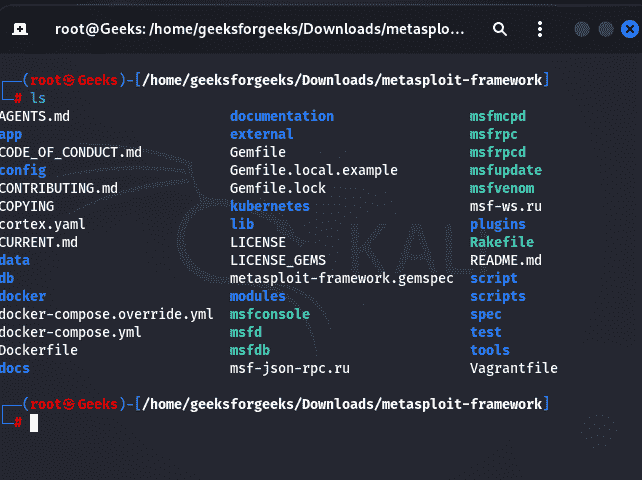
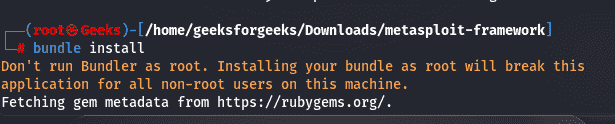
Inside this directory, we need to go and finish installing the rest of the packages for Metasploit and we can do this by doing :
bundle installOutput:
Step 7: Launch Metasploit
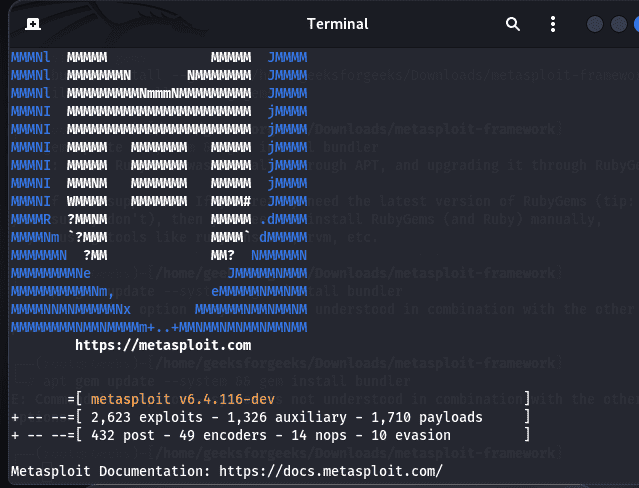
After startup, the MSFconsole interface will appear and the framework will be ready for use.
Command:
./msfconsoleOutput:
Limitations
- Heavy reliance on command-line usage.
- Some exploits may crash unstable targets.
- Antivirus software can detect common payloads.
- Resource-intensive during large engagements.
- Certain modules may become outdated over time.